Arts In Mind: Developing Your Creativity with Oak Hills’ Own Jamie Schorsch

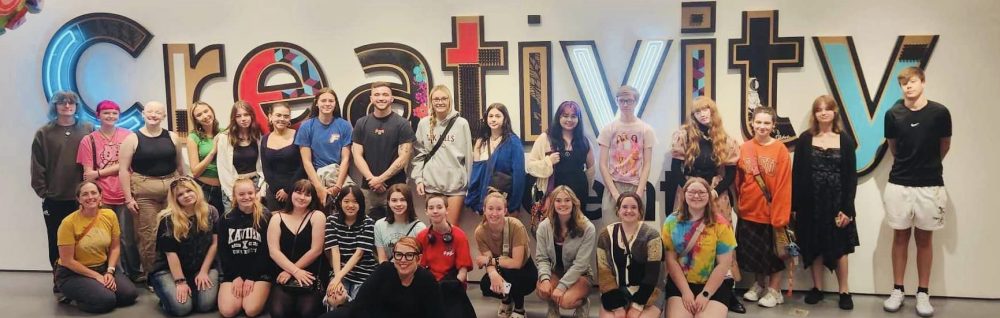
In the newest season of Arts In Mind: Visual Art, Oak Hills High School art teacher Jamie Schorsch joins a lineup of accomplished artists and educators sharing their passion, process, and purpose. The series, created by the Northern Kentucky Institute for Arts Education, connects students with professional voices from across the creative spectrum, helping young artists discover their potential and chart their path from middle school through high school and beyond.

For Schorsch, being part of Arts In Mind is an extension of her belief that art is not only a skill but a journey, one that unfolds through discovery, development, and reflection. “Art helps students find their voice,” she shares. “It allows them to make sense of the world around them and to see their own capacity to create change.” Each video in the AIM: Visual Art series is designed to support four key stages of artistic growth: discovering artistry, developing skills, extending understanding, and preparing for college and career. Through these steps, students gain insight into how creative practice evolves and how it can lead to meaningful opportunities.

Schorsch’s feature highlights her dedication to building creative confidence in her students. In her Oak Hills classroom, she encourages young artists to take risks, explore new materials, and connect their art to larger ideas, from personal identity to global issues. Her approach mirrors the mission of Arts In Mind: to empower students to see themselves as artists today, not just in the future.

Teachers can access Schorsch’s episode and others through Arts In Mind’s free video library. Each segment is accompanied by a Viewing Guide, helping educators spark discussion, introduce career pathways, or encourage independent learning. For students watching, these conversations offer more than just advice, they open a window into the creative life. They reveal that art is a lifelong journey, one built on curiosity, persistence, and passion.

As Arts In Mind continues to inspire the next generation, Jamie Schorsch’s inclusion in the series stands as a reminder of the powerful impact teachers have in shaping artists, thinkers, and innovators.

If you are interested in hearing more of Schorsch’s experiences and perspectives on art, check out Episode 24 of Art Hang, hosted by local artist, educator, and fellow Arts in Mind participant. The Arts Hang podcast series explores inspiring and motivational stories about Greater Cincinnati area artists and their artist processes.
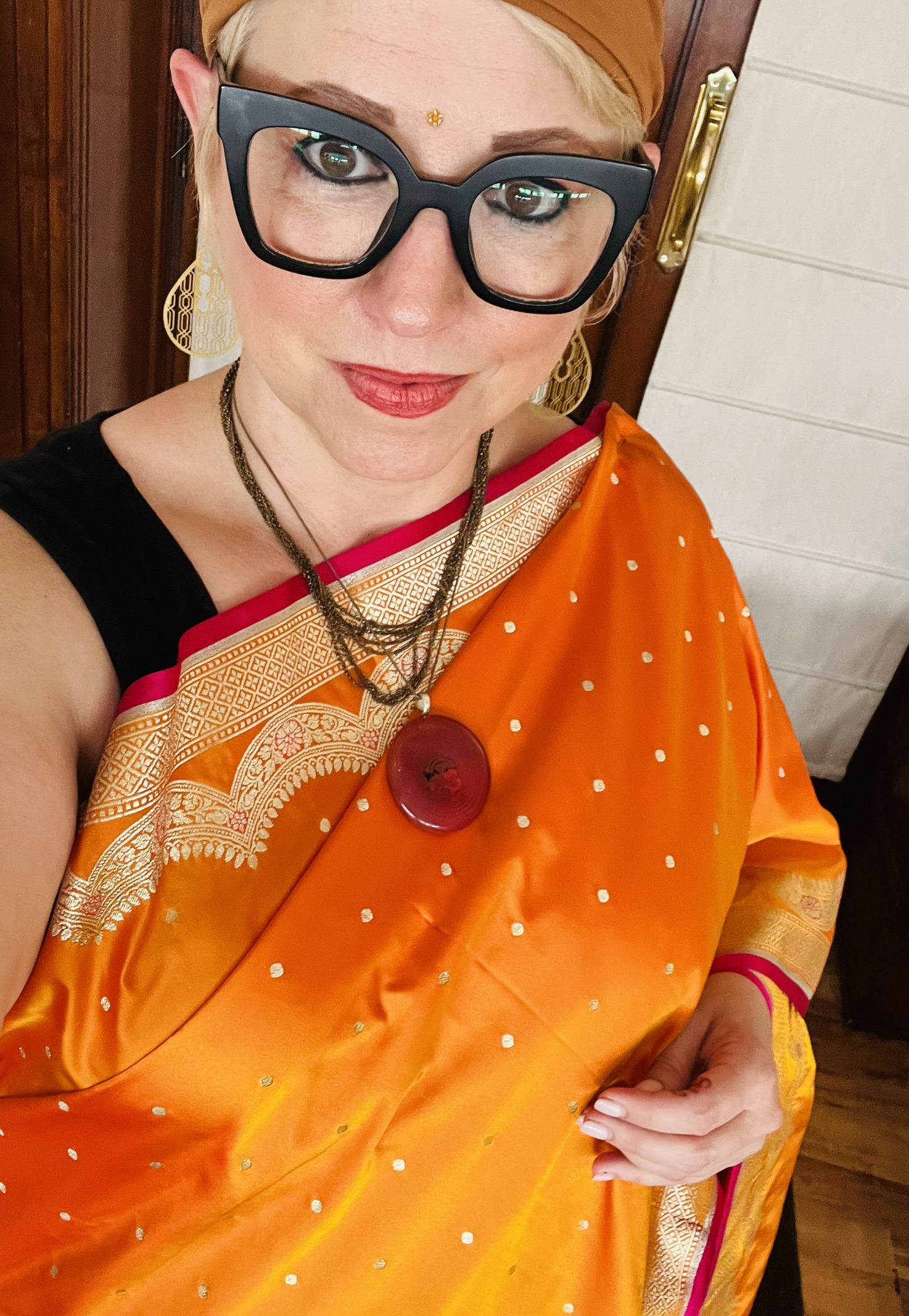
Bridging Classrooms Across Continents: OHHS Art and Design Teacher Jamie Schorsch’s Journey as a 2025 Fulbright TGC Fellow in India

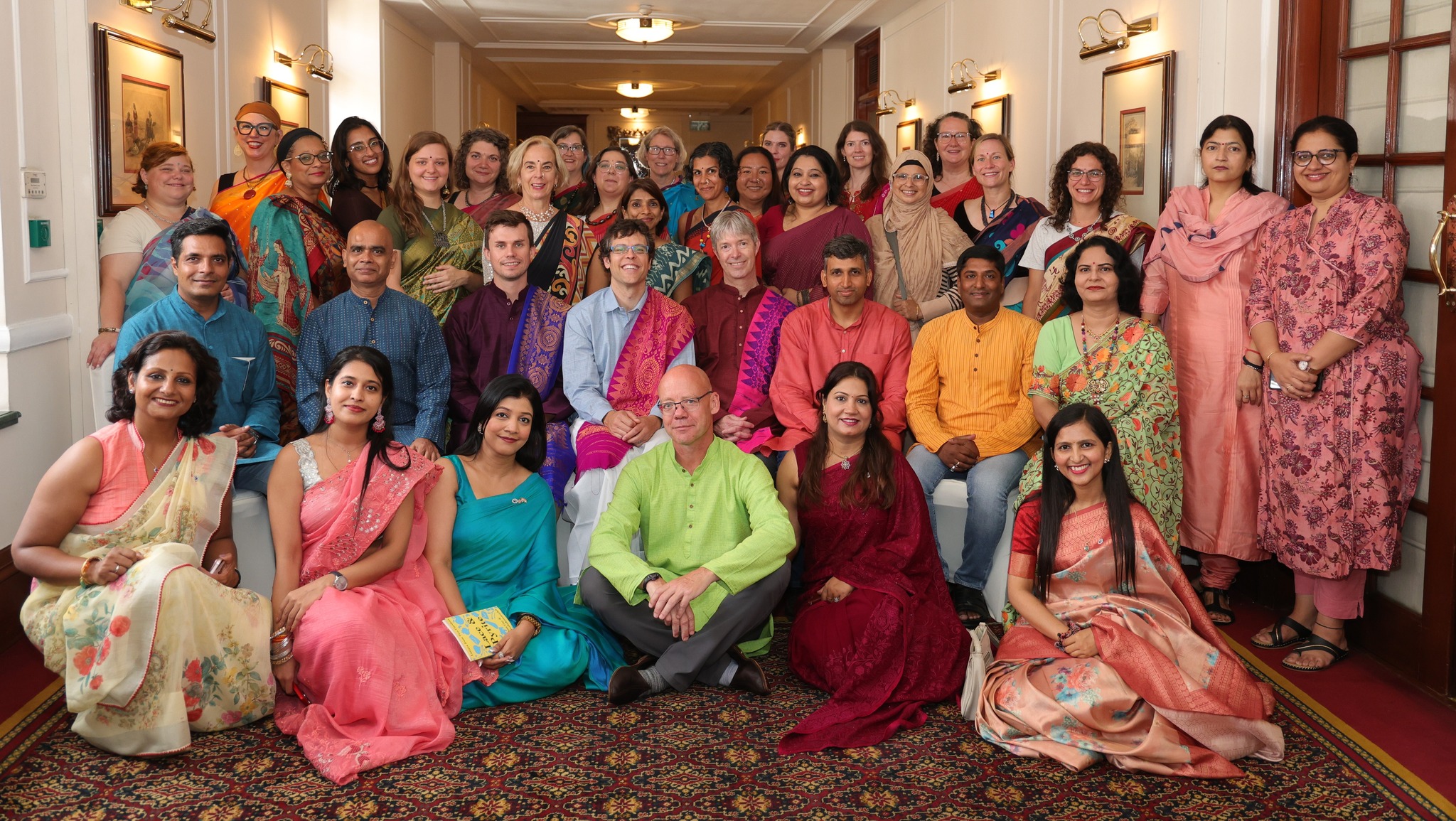
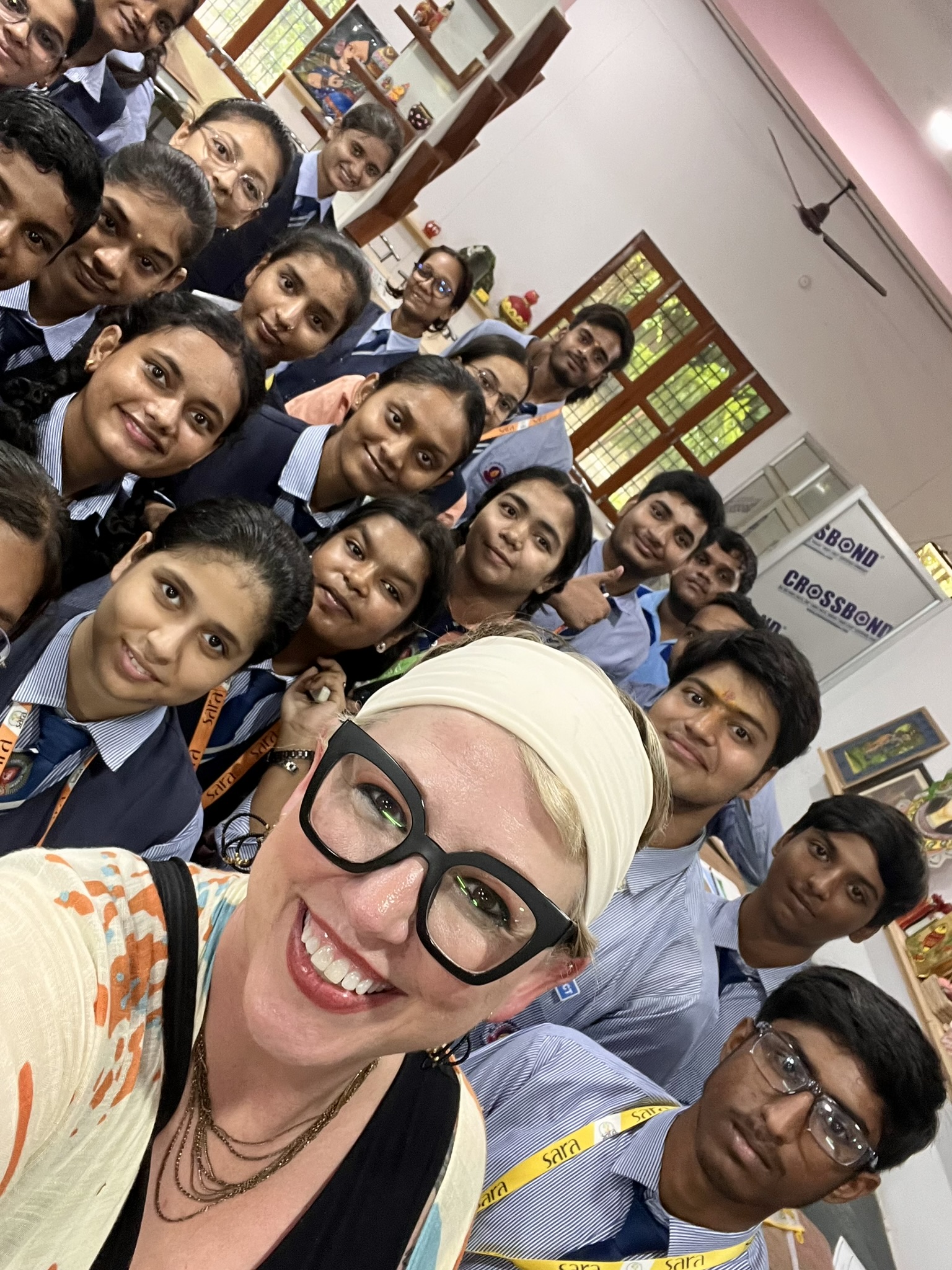
During the sweltering heat of July, OHHS Art and Design teacher Jamie Schorsch embarked on a life-changing journey as one U.S. teachers selected for the prestigious Fulbright Teachers for Global Classrooms (TGC) Program, a U.S. Department of State Bureau of Education and Cultural Affairs initiative administered by IREX. In partnership with the United States-India Educational Foundation (USIEF), the program immersed these fellows in India’s vibrant educational landscape, where cross-cultural exchange and collaboration came to life.

Over the course of two immersive weeks, Schorsch traveled across India with fellow educators, engaging in a deep exploration of pedagogy, policy, and practice. The group visited schools and academic institutions in cities including New Delhi, Alwar, Bengaluru, Chennai, Hosur, Kolkata, Pune, Vadodara, with Schorsch being assigned to the host community of Varanasi. In each location, the fellows were warmly welcomed into classrooms where they observed instruction, engaged in co-teaching, and shared strategies with Indian educators and policy makers. From bustling urban schools to rural campuses, Schorsch witnessed firsthand the strength of India’s educational diversity and the passion of its educators.

One highlight of the experience was delivering formal remarks at a special reception at the closing of the experience, where Schorsch addressed an audience of distinguished guests including Fulbright scholars, representatives of the U.S. Department of State, members of IREX, USIEF, and the U.S. Embassy in India. Drawing from the insights gained throughout the exchange, Schorsch spoke to the transformative power of international collaboration in education and the mutual growth that comes from partnerships rooted in cultural understanding.

Throughout the journey, Indian Fulbright alumni served as generous hosts, opening their schools, homes, and hearts to the TGC fellows. These hosts played a vital role in connecting educators across borders, sharing local wisdom while learning from the American visitors. Their support exemplified the enduring strength of the Fulbright network and the global impact of its alumni.

Reflecting on her experience, Jamie Schorsch described the exchange as “a living bridge between classrooms,” one that will continue to inform her teaching practice and empower her students to think globally.

Her time in India was more than an exchange of ideas, it was a reaffirmation of education as a shared human endeavor that transcends geography. As a Fulbright TGC Fellow, dedicated arts educator, and advocate for global learning, Schorsch returns to her classroom with renewed purpose, eager to infuse her curriculum with global perspectives, foster student curiosity about the world, and inspire the next generation of changemakers.

To read more about Schorsch’s experiences and reflections in India, visit https://goghglobalarteducation.wordpress.com/blog/

The 2024-2025 Memory Project: Creating Portraits of Kindness for Children in India

“The Memory Project” is a nonprofit organization that invites art teachers and their students to create portraits for youth around the world who have faced substantial challenges, such as neglect, abuse, loss of parents, and extreme poverty. Over the past nine years, Drawing and Printmaking and NAHS students have created over 470 portraits for children in Madagascar, the Philippines, and Syrian refugees in Jordan, Puerto Rico, the Rohingya in Rakhine, Columbia, Nigeria, Cameroon, and Sierra Leone. This year, students at OHHS created portraits for 30 Indian children.

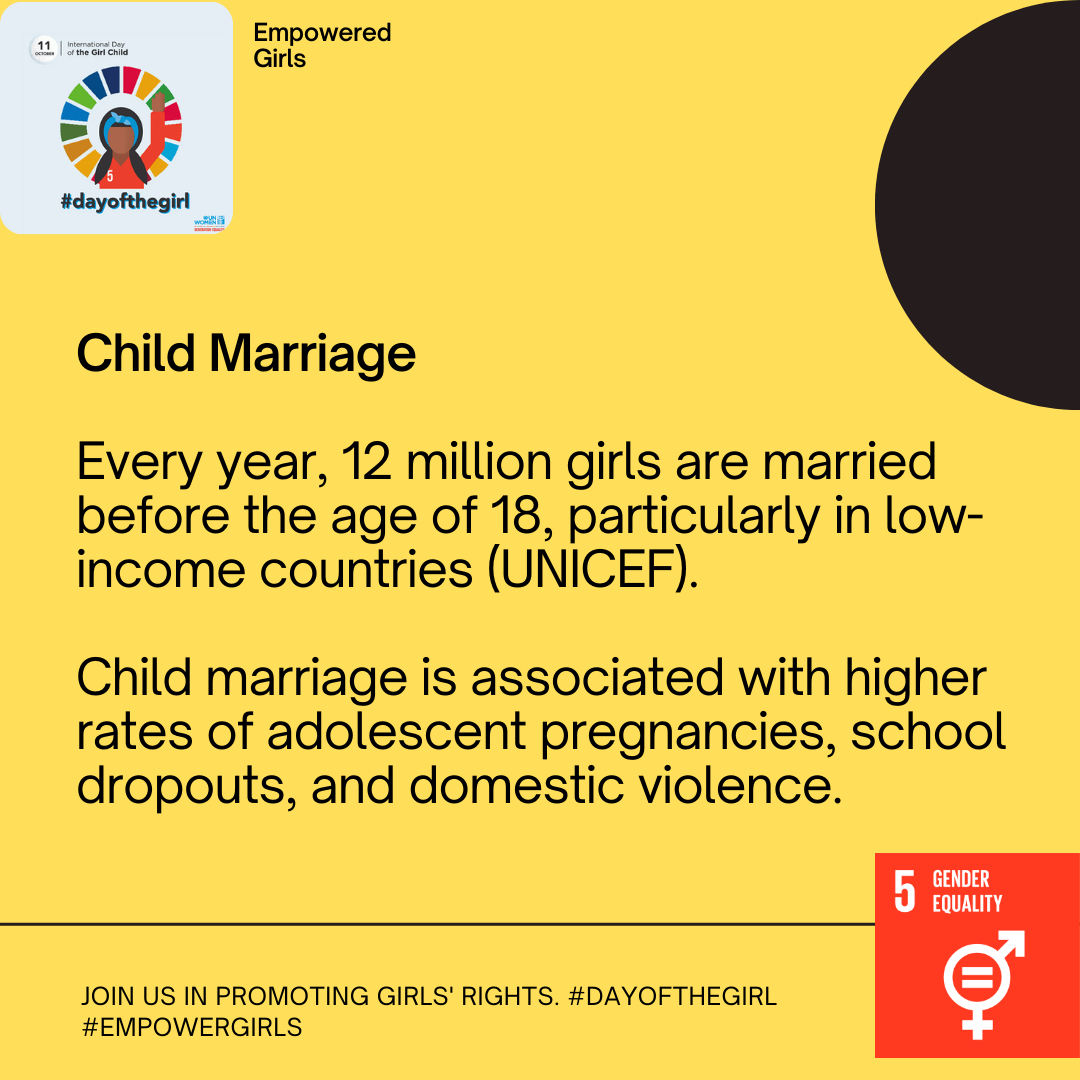
Children in India face a complex set of challenges that affect their education, health, safety, and development. While school attendance has improved, many children, especially in rural areas, still lack access to quality education due to poverty, long travel distances, and inadequate resources. Economic pressures contribute to high dropout rates and force many children into labor, where laws against child labor are inconsistently enforced. Health and nutrition are also major concerns, with many children suffering from malnutrition and limited healthcare access, especially in rural areas. Mental health needs are often overlooked due to a lack of resources. Gender discrimination affects girls in particular, as cultural expectations often push them out of school early and into child marriages. Many children are vulnerable to abuse and exploitation, with physical, emotional, and sexual abuse remaining prevalent. Climate change also poses challenges, as frequent natural disasters disrupt schooling, displace families, and impact health, while water scarcity affects hygiene and daily life. The digital divide became especially apparent during the pandemic, as many students lacked access to online learning resources.

“The Memory Project” portraits are created by students enrolled in the Drawing and Printmaking course (grades 9-12). The students began by analyzing the artwork of Kehinde Wiley and used the information provided about the children’s favorite things, colors, and hopes for the future to design the background of the image. Once the portraits are delivered to the children, we will receive a video of their reactions to the artwork. Below are some of the highlights of the OHHS Drawing and Printmaking students’ resulting portraits.

Empowering Students to Explore Girls’ Rights Through Art

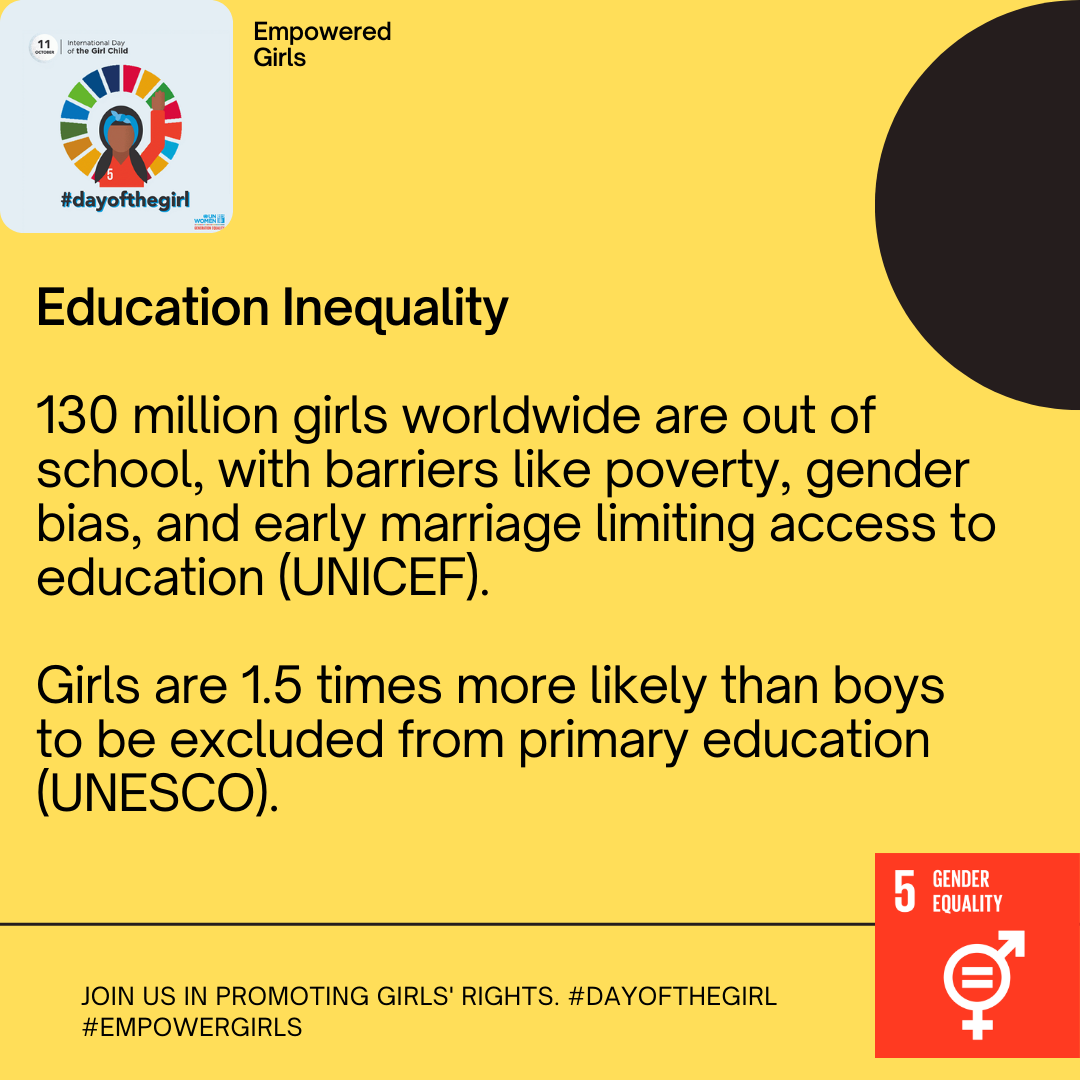
Jamie Schorsch, an educator with a passion for social justice and creative expression, has found a unique way to inspire her students to explore the rights of girls around the world. Through artwork and the “Girl Rising” initiative, she guides her students to engage deeply with issues related to the UN Declaration of Human Rights, focusing particularly on the rights and challenges girls face globally.

In her classroom, Schorsch encourages students to use art as a tool for advocacy, helping them express their views on critical issues like gender equality and access to education. Through research and discussion of the powerful stories from Girl Rising—a global campaign for girls’ education and empowerment—her students gain insights into the struggles and triumphs of girls in different countries. Schorsch’s approach extends beyond just education; she empowers her students to see themselves as global citizens. They learn how to creatively address real-world problems, using their artistic voices to raise awareness and inspire change. This process not only nurtures their empathy but also equips them with the confidence to advocate for human rights and gender equality in their own communities.

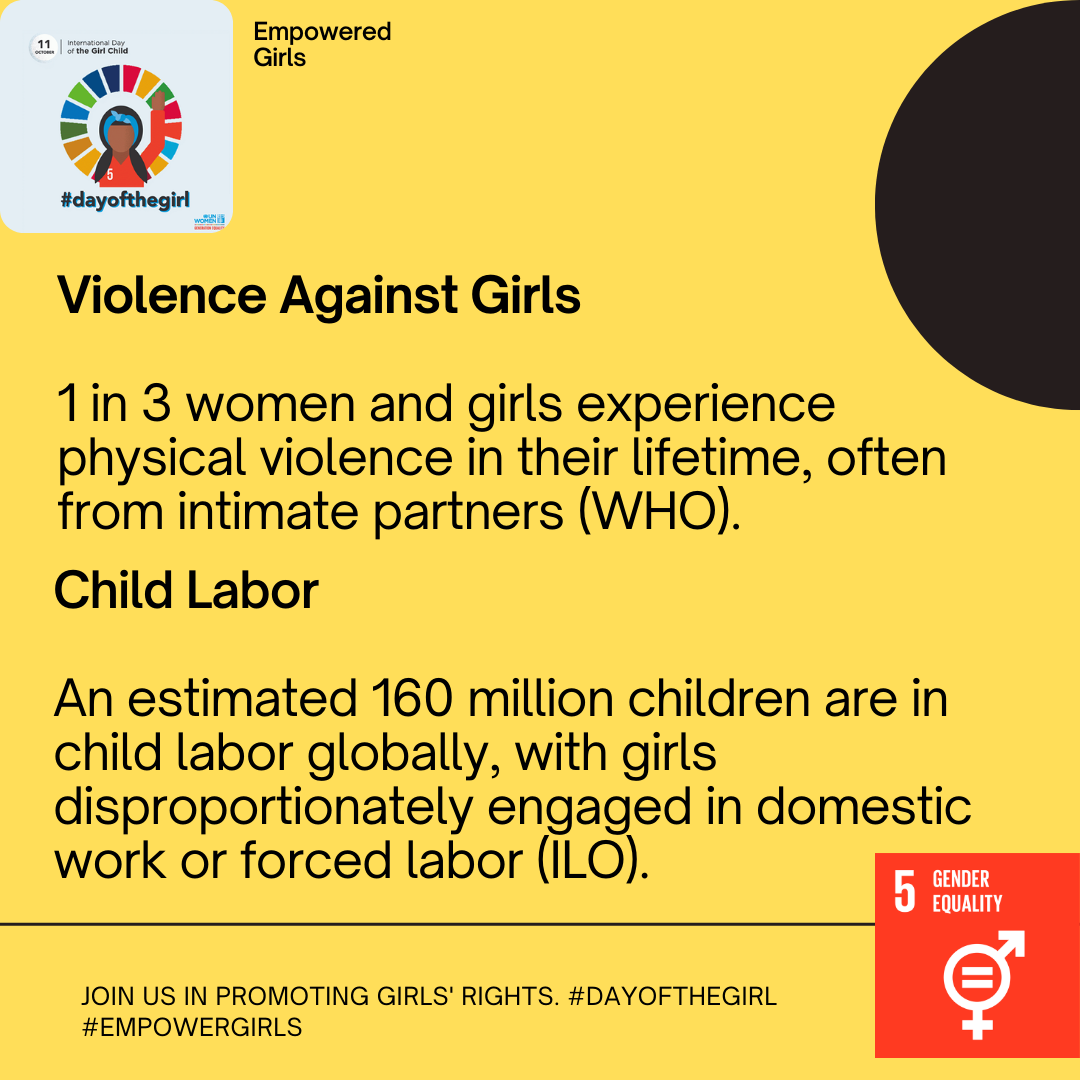
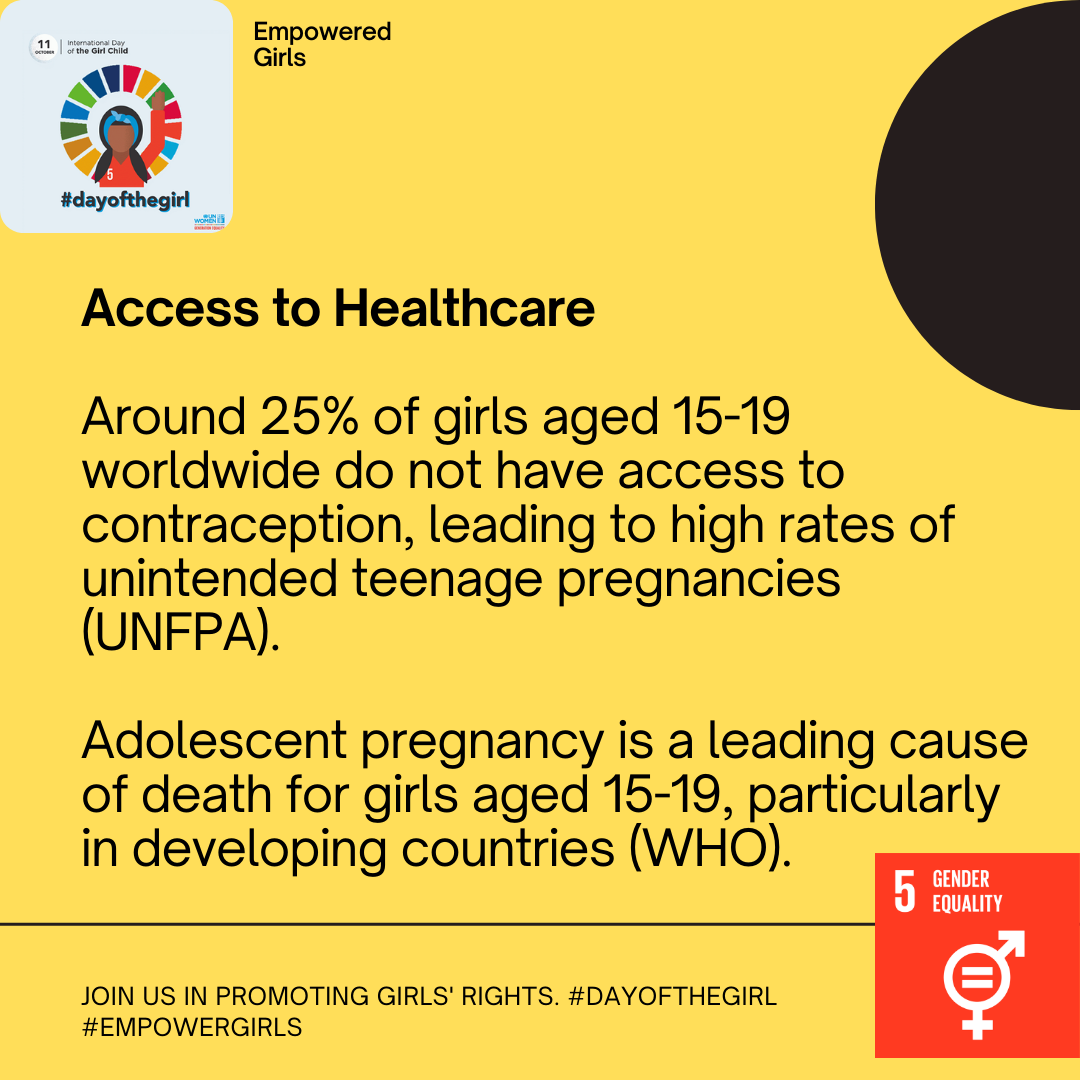
Milestones in this approach of using art as a tool of empowerment, include the featuring of student and personal artwork through exhibition as a voice for change. AP Art and Design student, Annie Riley, was as a featured artist in the International Day of the Girl campaign for her work, “Little Ones”, exploring systems of oppression.

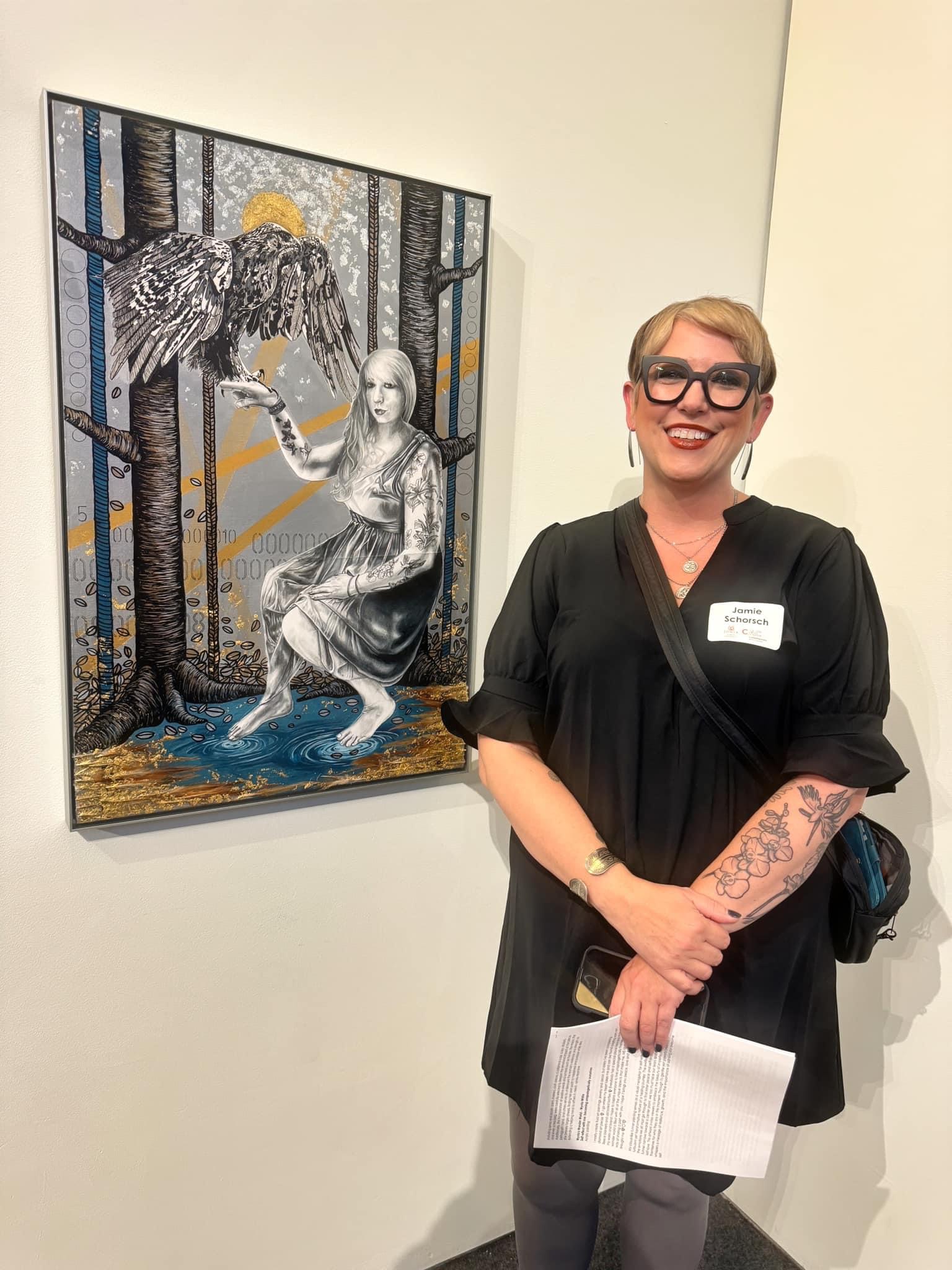
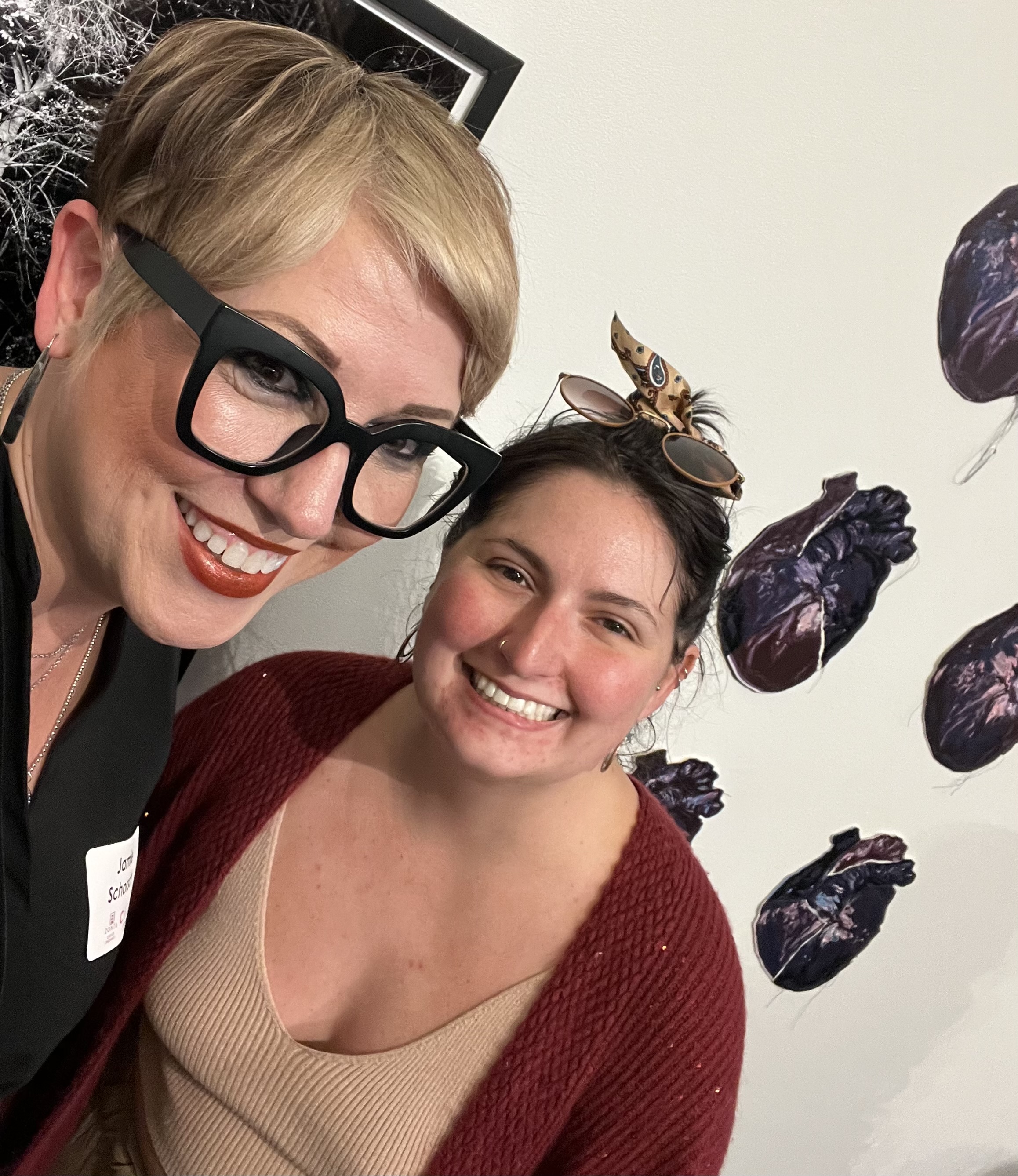
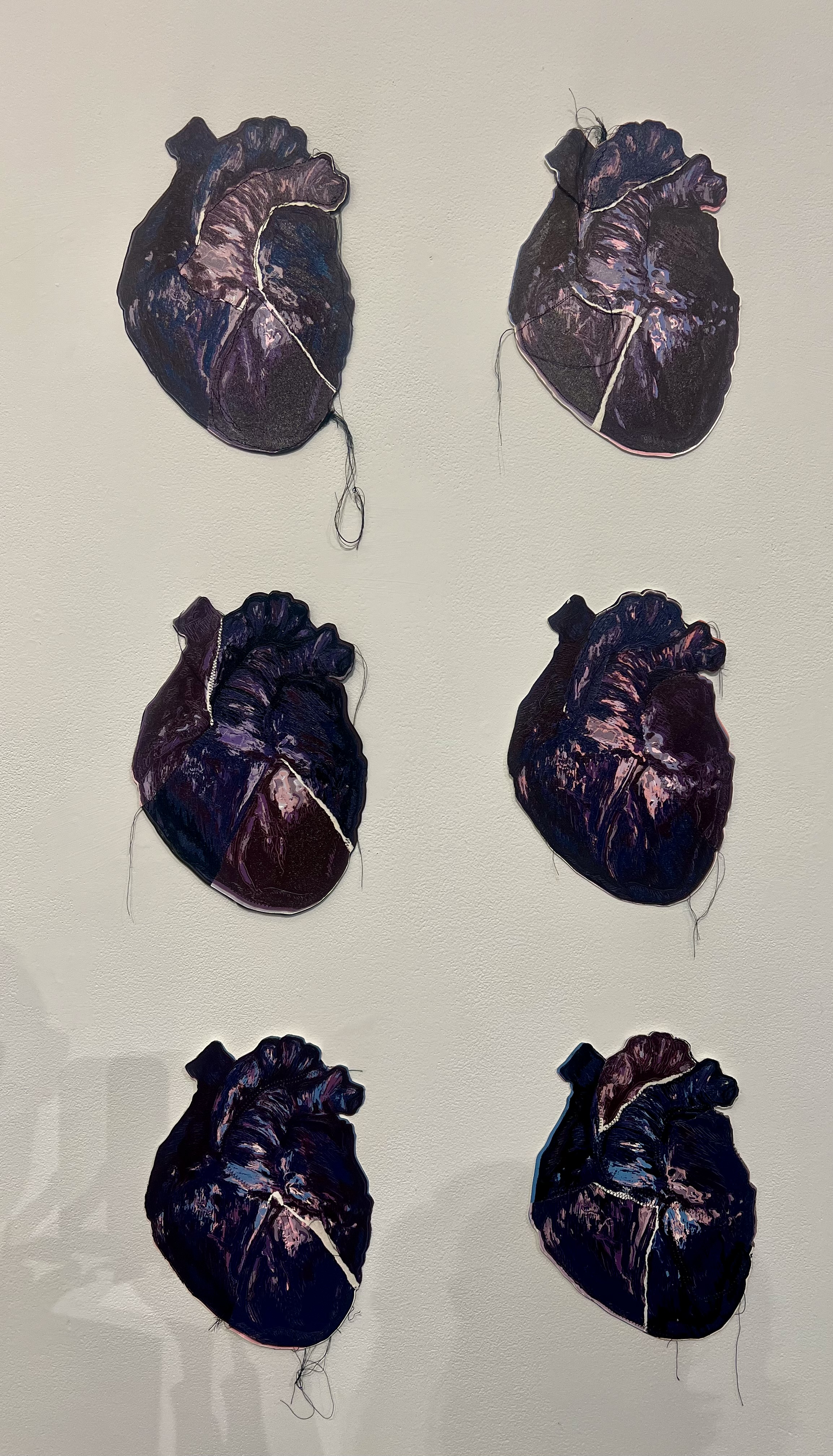
This week the Cincinnati Zonta Club Chapter’s “Journey to Healing” exhibition opened at the Contemporary Arts Center. This exhibition, which explores the role of art in overcoming trauma and gender-based violence, offered a platform for Schorsch and her former student, Autumn Shelton (’18), to display powerful works addressing these crucial issues in relation to personal journeys. Their artwork added to the conversation about healing through creativity.

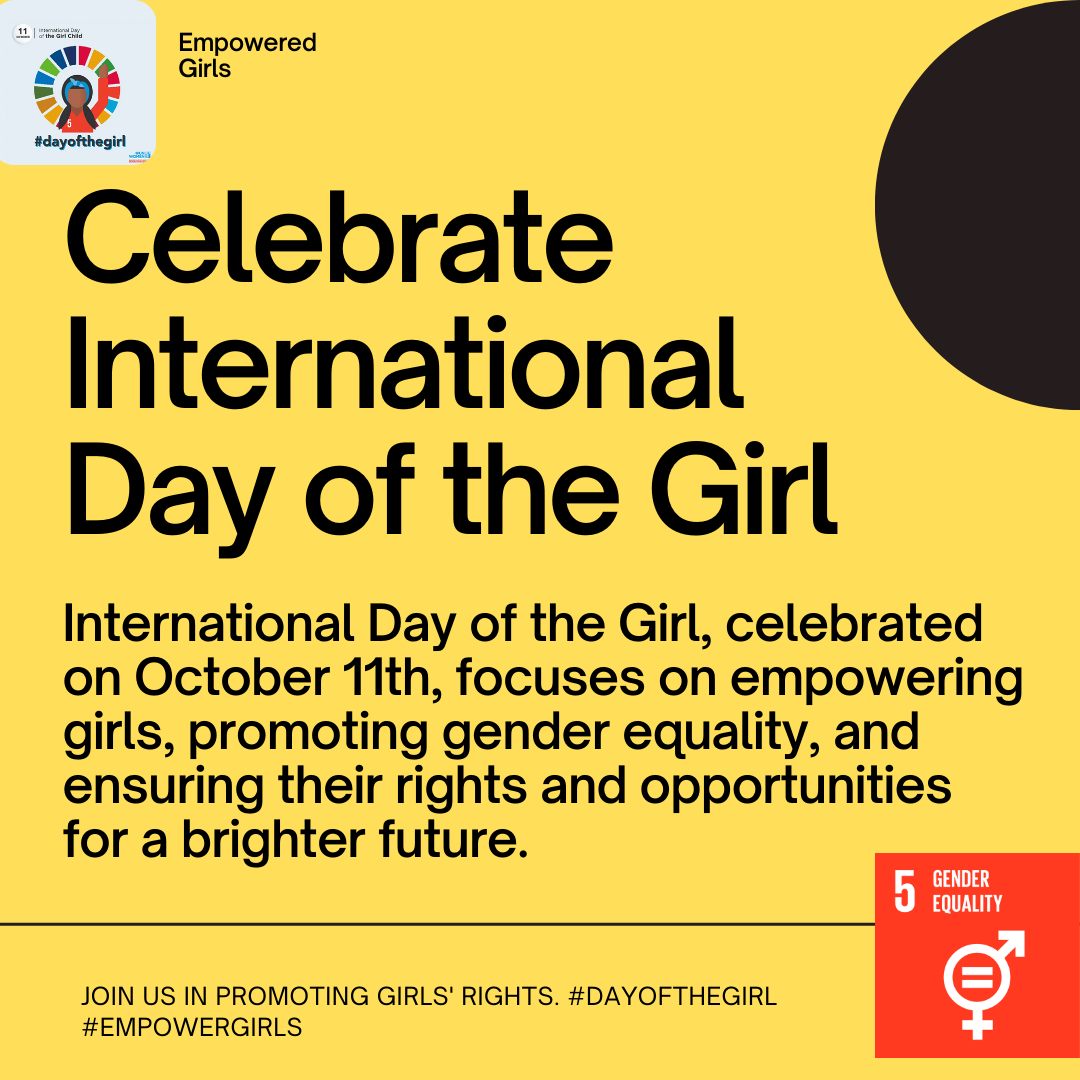
This year’s “Journey to Healing” exhibition coincides with International Day of the Girl on October 11. This day represents hope for a future where every girl can realize her full potential. It envisions a world where barriers to education, equality, and opportunity are broken, allowing girls to thrive, lead, and make a positive impact on society. Through collective action and investment in girls’ rights, we can build a brighter, more just future for all.

By combining education with activism, Schorsch not only empowers her students to understand the rights of girls globally but also to contribute to broader conversations on trauma and healing through artistic means.